Exercise That Actually Helps Perimenopause Symptoms
Somewhere in your 40s, your body quietly rewrites the rules. The workouts that used to work stop working, the weight settles in new places, and you’re wondering if it’s just you. It’s not — it’s perimenopause, and the good news is that the right kind of movement genuinely helps.
Here’s what actually makes a difference (and what to stop wasting energy on).

Why Your Old Routine Stopped Working
Shifting hormones change how your body builds muscle, stores fat, and recovers. Endless cardio — the old go-to — can actually raise stress and backfire now. The move is to train smarter, not harder, working with your changing body instead of punishing it.
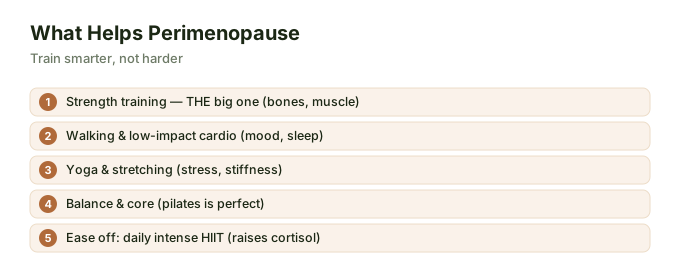
What Actually Helps
1. Strength Training (The Big One)
This is the headline. Muscle naturally declines with age and hormone shifts, and strength training protects your bones, metabolism, and strength. Two or three sessions a week — even with light weights — changes everything. If you do one thing, do this.
2. Walking & Low-Impact Cardio
Gentle, steady movement helps mood, sleep, and heart health without the stress spike of punishing HIIT. A brisk daily walk is quietly powerful.
3. Yoga & Stretching
Great for the stress, stiffness, and sleep struggles that come with this phase. Calms the nervous system, too.
4. Balance & Core Work
Often overlooked, but protecting balance now pays off for decades. Pilates is perfect for this.
What to Ease Off
- Daily intense HIIT — can raise cortisol and worsen symptoms. Occasional is fine; daily isn’t.
- Cardio-only routines — you’ll lose muscle you can’t afford to lose.
- Punishing yourself — this phase responds to consistency and kindness, not extremes.
Comfort Matters Now
Small thing, big difference: comfortable, high-waisted, breathable activewear makes you far more likely to actually show up — especially on hot-flash days. Don’t underestimate it.

Bottom Line
Perimenopause isn’t the end of fitness — it’s a new chapter that rewards strength training, walking, and gentleness over punishing cardio. Lift a little, walk daily, stretch often, and be kind to the body doing something remarkable. Your second wind is real.
This article is for general informational and styling purposes only. Fit, sizing, and product availability may vary.